
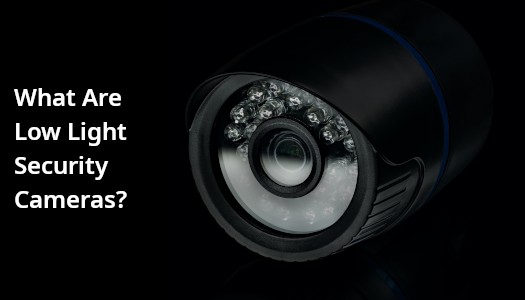
Low light security cameras are designed to provide clear footage in environments with limited or minimal lighting. Unlike traditional security cameras that require sufficient light to produce quality images, low light cameras use advanced technology to ensure visibility in dark or poorly lit areas.
These cameras rely on special sensors that capture more light, allowing them to record in conditions that would otherwise be too dark for standard cameras. In many cases, they perform effectively even in total darkness, making them ideal for 24/7 surveillance.
Why Low Light Cameras Are Useful
Low light cameras are essential for areas that experience dim or no lighting during certain hours. For example, businesses may need to monitor parking lots, construction sites, or unlit outdoor areas where additional lighting may not be feasible. Similarly, homeowners can use them to monitor driveways, backyards, or entryways at night, providing peace of mind without the need for extra outdoor lighting.
By capturing clear footage even in low-light environments, these cameras help to reduce blind spots in a security system. They also minimise the reliance on artificial lighting, which can be costly to maintain and can also draw unwanted attention.
Applications of Low Light Security Cameras
Low light cameras are widely used in both commercial and residential settings. For businesses, these cameras are useful for monitoring areas that may not be well-lit but still require constant surveillance. Examples include warehouses, delivery areas, and outdoor storage spaces. They help businesses maintain security around the clock, even when natural light is not available or when it is unsafe to rely on lighting.
For homes, low light cameras provide an effective way to keep an eye on property and family members after dark. They are often installed around entry points, gardens, or in outdoor spaces where lighting can be limited but security is still a concern.
Maximising the Effectiveness of Low Light Cameras
To ensure low light cameras perform at their best, proper placement is essential. Position cameras where they can capture the most activity without obstructions such as trees or buildings. It’s also important to avoid areas with competing light sources like streetlights, which can interfere with the camera’s ability to capture clear footage.
Regular maintenance also helps maintain camera performance. Cleaning lenses, updating software, and checking the system’s overall condition will ensure that the camera continues to work well in low-light environments.